Munich, 16 June 2026 – The continued expansion of photovoltaics faces a key challenge: limited grid connection capacity. For the overall economic efficiency of the energy transition and the pace of further expansion, optimal utilization of existing grid infrastructure is crucial. At Intersolar Europe, Next2Sun demonstrates that not every additional PV capacity exacerbates grid bottlenecks. On the contrary, when properly integrated, generation can have a stabilizing effect.
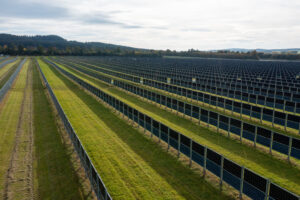
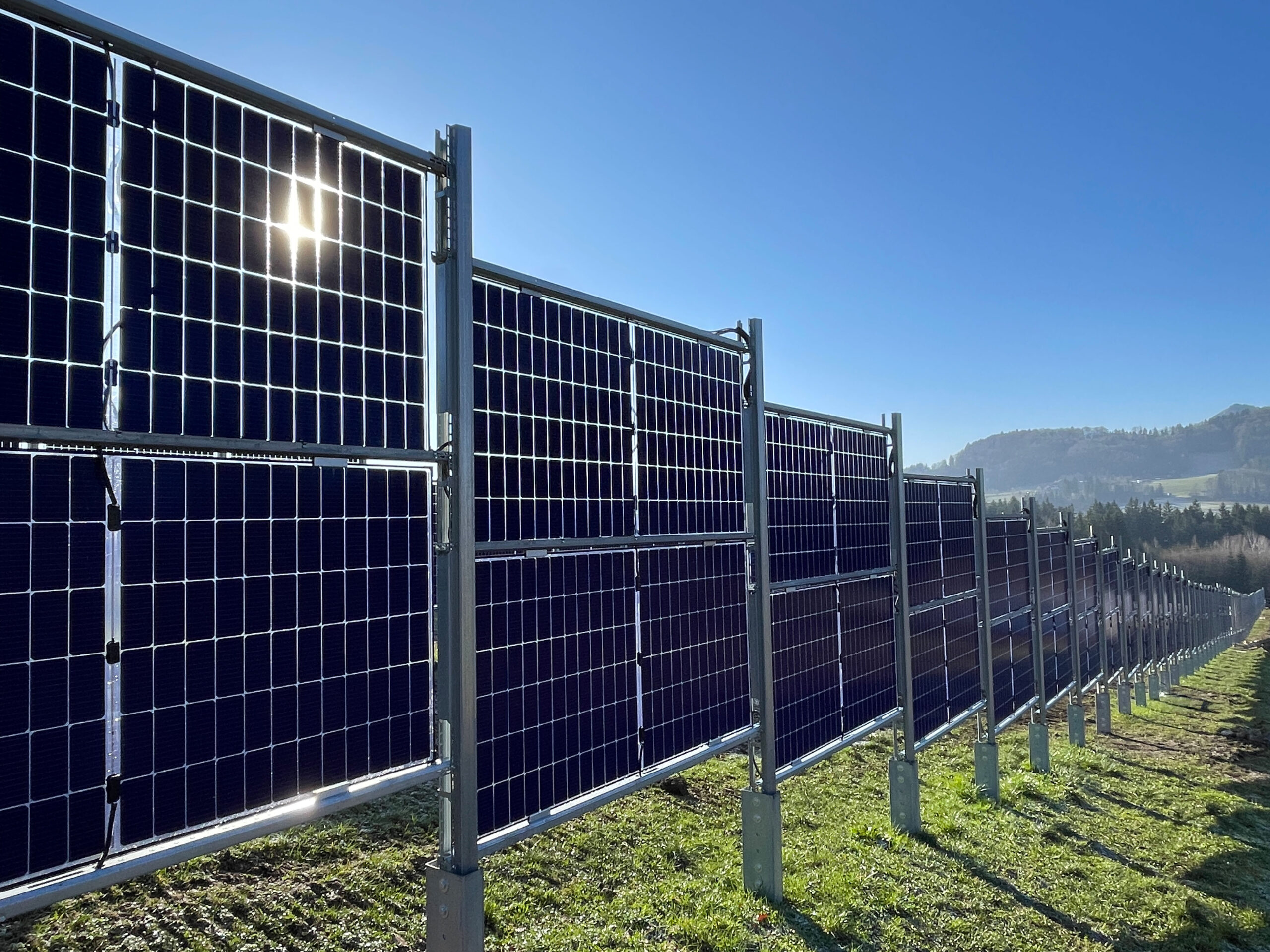
The focus is on the concept of overbuilding existing south-facing PV plants with vertical, bifacial PV systems in an east–west orientation. Conventional south-oriented ground-mounted solar plants currently make very limited use of their grid connections: feed-in is heavily concentrated around midday, which—especially at high levels of PV penetration—leads to grid bottlenecks and curtailment. Vertical east–west systems, by contrast, generate electricity primarily in the morning and evening hours. Combining both technologies significantly broadens the feed-in profile and spreads generation more evenly over time.
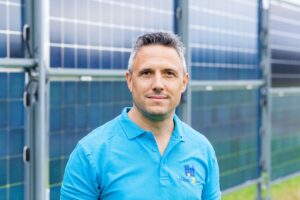
“Overbuilding is one of the most effective levers for realizing additional generation while making optimal use of existing infrastructure,” explains Heiko Hildebrandt, CEO of Next2Sun. “Not every additional PV system places the same burden on the grid—what matters is when the electricity is fed in.”
Overbuilding as a lever for efficiency and economic viability
Integrating vertical photovoltaic systems into existing solar parks unlocks significant potential. Connected PV capacity can be increased by around 60% without significant curtailment losses. Through overbuilding, up to 20 GW of additional generation capacity could theoretically be connected to existing grid connection points—without the need to build new grid infrastructure.
In addition to improved grid utilization, there are clear economic benefits. Using existing grid connections and access roads can deliver cost savings of approximately 10–15%. At the same time, the revenue structure changes: electricity from vertical systems is increasingly generated during time windows with higher market prices, resulting in substantial market value advantages compared to conventional PV systems. This led to 87% higher market values for vertical PV systems in 2026 (January to May) compared to the overall solar market value. “Overbuilding doesn’t just mean more electricity—it means more economically attractive electricity,” says Hildebrandt.
Dual use through agrivoltaics further expands the pool of potential sites. Agricultural land near existing ground-mounted PV plants can be utilized—areas that were previously not suitable for PV development.
Overbuilding therefore unlocks significant potential:
- Existing grid access enables the realization of new projects without additional grid infrastructure
- Higher market values ensure economic
- Dual use through agrivoltaics expands the available land
Next2Sun at Intersolar Europe: Hall A4 / Booth 140
The overbuilding concept and the new Fields2Sun Max system will be presented at Intersolar Europe. Interested trade visitors will have the opportunity to learn more about economic benefits and concrete project approaches during daily presentations at the booth.
Booth presentation:
“Potential for 20 GW of new ground-mounted PV capacity in Germany without grid expansion: Next2Sun presents solutions”
- June 23 and 24, 4:00 pm
- June 25, 11:00 am